
Woodworm infestation is one of the most common hidden problems affecting wooden homes, furniture, roof beams, flooring, and structural timber. Many homeowners notice tiny holes or powdery dust and wonder how the problem started. To properly prevent and treat woodworm, it is important to understand the lifecycle of woodworms.
Despite the name, woodworm is not actually a worm. Woodworm refers to the larvae of wood-boring beetles that feed inside timber. Because much of their life happens hidden inside wood, infestation can continue quietly for months or even years before visible signs appear.
Understanding how woodworms grow, spread, and survive helps homeowners detect problems earlier and reduce the risk of serious wood damage.
Many homeowners researching timber care through shashel.eu/ understand that learning the woodworm lifecycle is one of the best ways to prevent long-term timber damage.
In this guide, we will explain the complete lifecycle of woodworms and why understanding it matters.
What Is Woodworm?
Before understanding the lifecycle:
It helps to know what woodworm actually is.
The Reality
Woodworm is the larval stage of wood-boring beetles
Adult beetles lay eggs in timber.
After hatching:
- Larvae feed inside wood
Eventually:
- Adult beetles emerge
The cycle then repeats.
Because much of this activity stays hidden:
Damage often develops quietly
Stage 1: Egg Laying
The woodworm lifecycle begins when adult beetles lay eggs.
Where Eggs Are Laid
Adult beetles commonly choose:
- Cracks in timber
- Small openings in wood
Why This Matters
Older or damaged wood often provides:
- Better access
Hidden spaces may increase infestation risk.
Early prevention matters.
Many homeowners exploring timber care through shashel.eu understand that protecting timber surfaces helps reduce egg-laying opportunities.
Stage 2: Larval Stage (The Damaging Phase)
This is the stage most homeowners worry about.
What Happens During the Larval Stage
After hatching:
- Larvae tunnel inside wood
They feed on timber for:
- Months
- Sometimes years
Why This Stage Is Dangerous
Most wood damage happens here.
Larvae weaken:
- Furniture
- Roof beams
- Floorboards
Because activity stays hidden:
Damage may go unnoticed for long periods
Routine inspections matter.
Stage 3: Pupal Stage
After feeding long enough:
Woodworms begin transforming.
What Happens
Larvae prepare to become:
- Adult beetles
This stage happens:
Inside the timber
Why It Matters
Infestation may continue quietly.
Hidden activity often remains unnoticed.
Small warning signs deserve attention.
Stage 4: Adult Beetle Emergence
Eventually:
Adult beetles emerge from wood.
Common Warning Signs
Look for:
- Tiny round holes in timber
These are often called:
- Exit holes
Why This Matters
Adult beetles may lay new eggs.
The infestation cycle can continue.
Fast action improves outcomes.
Many homeowners researching timber care through shashel.eu understand that fresh holes may signal active infestation.
How Long Does the Woodworm Lifecycle Take?
Woodworm development depends on:
- Beetle species
- Moisture conditions
- Wood type
Typical Timeframe
The lifecycle may last:
- Several months
- Multiple years
Why Timing Matters
Hidden infestation often develops slowly.
Many homeowners do not notice damage early.
Routine inspections improve prevention.
Why Damp Wood Increases Risk
Woodworm commonly prefers timber that becomes:
- Damp
- Soft
Common Moisture Sources Include
- Roof leaks
- Condensation
- Pipe leaks
Why This Matters
Moisture creates favorable conditions for:
- Egg laying
- Larval development
Dry wood naturally discourages infestation.
Healthy homes stay drier.
Signs of Active Woodworm Activity
Understanding the lifecycle helps identify warning signs.
Common Signs Include
- Tiny holes in wood
- Powdery dust (frass)
- Weak timber
Other Warning Signs
Look for:
- Beetle sightings indoors
Early detection matters.
Fast action protects timber.
How to Interrupt the Woodworm Lifecycle
Stopping the lifecycle helps prevent spreading.
Helpful Prevention Methods Include
- Keeping timber dry
- Improving ventilation
- Inspecting wood regularly
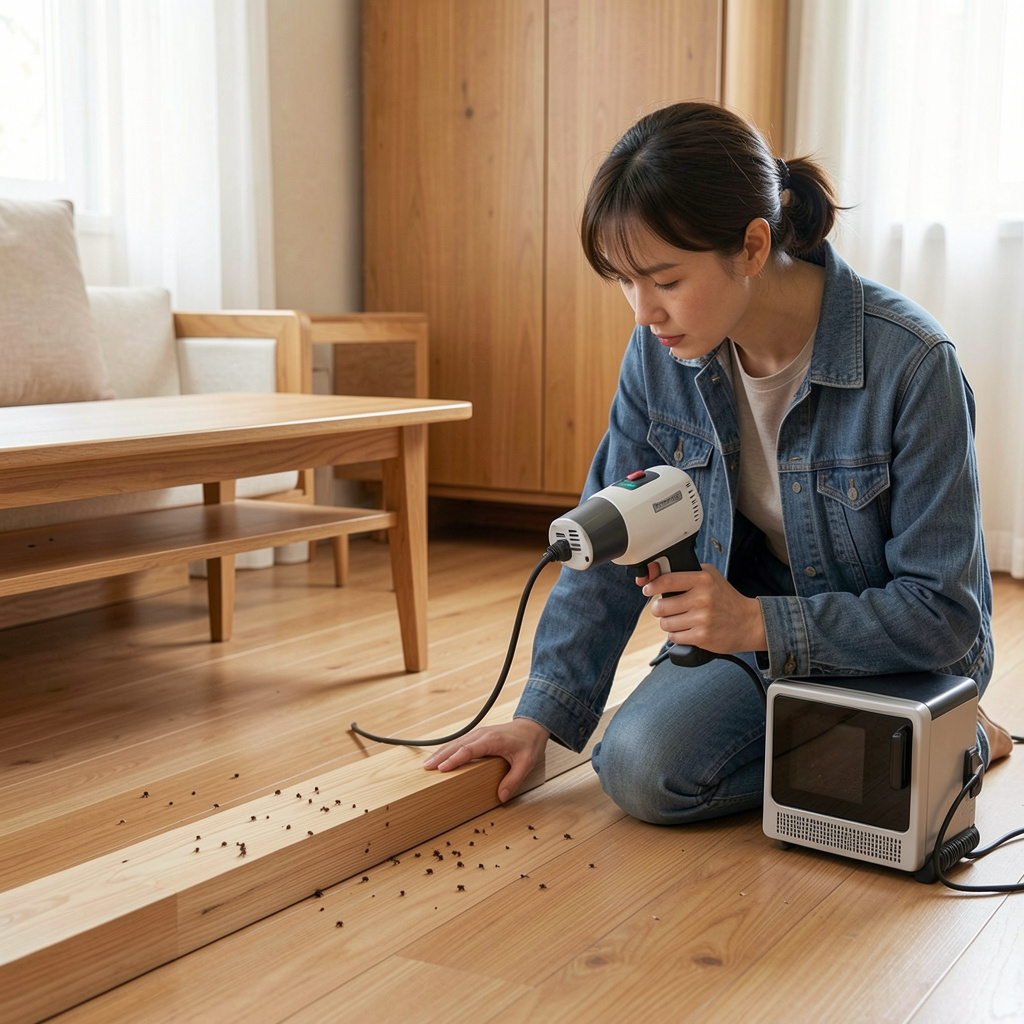
Modern Treatment Options Include
- Heat treatment
- Microwave treatment
These methods may help target:
- Hidden larvae
- Eggs
Professional assessment improves results.
Many homeowners increasingly choose modern treatment to stop infestation early.
Common Mistakes Homeowners Make
Ignoring Tiny Holes
Small signs often indicate active infestation.
Delaying Treatment
Damage spreads quietly over time.
Ignoring Moisture
Damp timber attracts woodworm.
Skipping Hidden Areas
Attics deserve regular inspection.
Routine care improves protection.
Long-Term Prevention Tips
Keep Timber Dry
Dry wood discourages infestation.
Improve Airflow
Healthy ventilation matters.
Inspect Regularly
Small warning signs deserve attention.
Fix Leaks Quickly
Moisture increases infestation risk.
Consistency protects timber.
Conclusion
Understanding the lifecycle of woodworms helps homeowners better protect wooden structures, furniture, flooring, and roof beams. Since woodworm larvae spend much of their life hidden inside timber, infestation may quietly continue for years before becoming obvious.
Recognizing stages such as egg laying, larval feeding, beetle emergence, and moisture-related risks helps homeowners act earlier and reduce long-term damage.
 catalogueconnection_ntw190